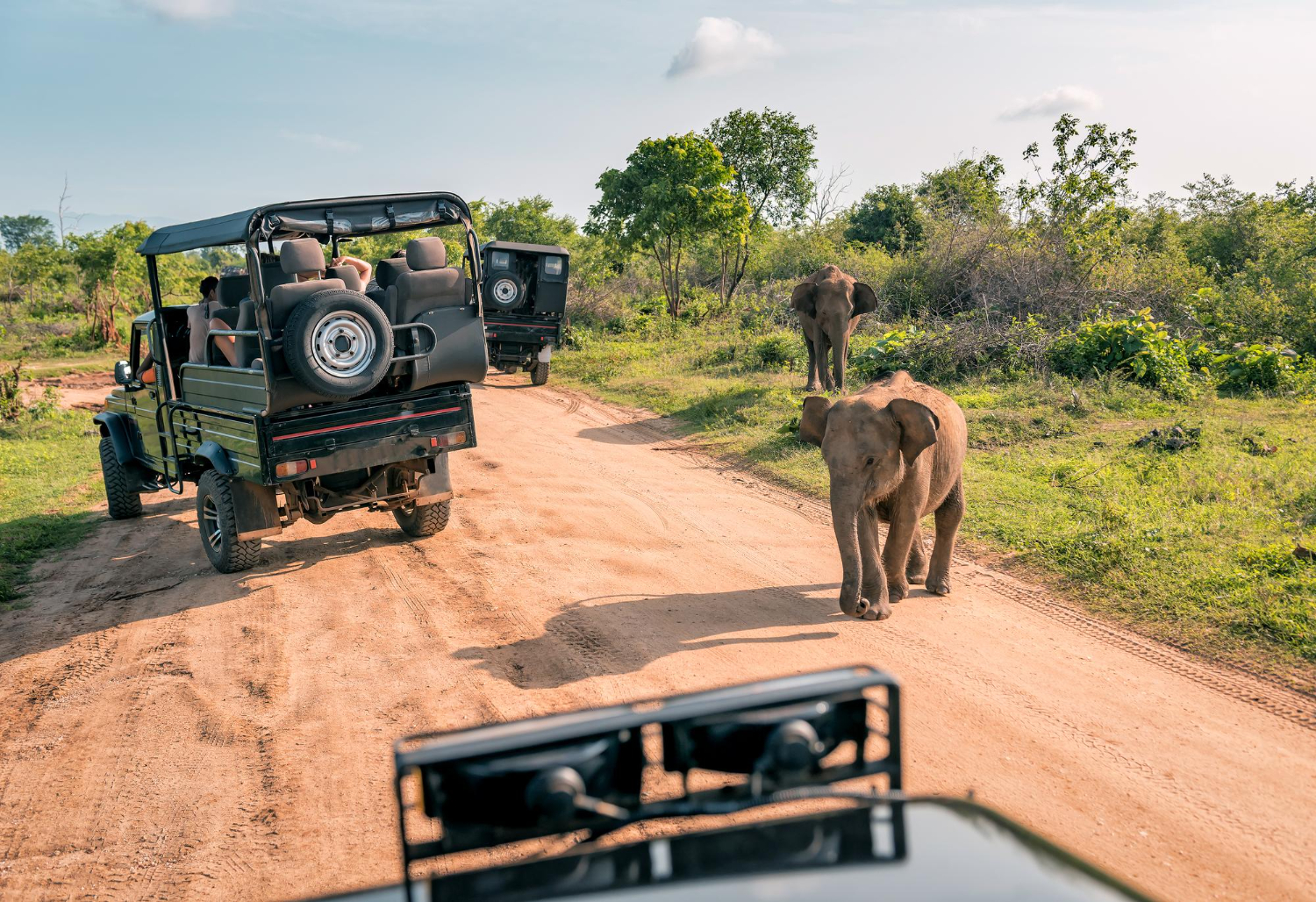
Sri Lanka is often known for its beaches and tea, but its national parks and rich wildlife are just as worth the trip. With elephants, leopards, rare birds, and ancient forests spread across the island, there is no one-size-fits-all safari here. Depending on where and when you go, your safari could look very different. That makes Sri Lanka safari packages a great choice for travelers who want something special. This guide gives a clear look at how the safari experience changes from region to region, especially if you are traveling around July when the weather plays a big role in what you will see.
The shape and weather of Sri Lanka make its safaris interesting. Because the island has both wet and dry zones, animals move with the seasons. That means where you go, and when, can change what wildlife you are likely to spot.
Planning around the island’s climate helps make sure you have the best chance at seeing the kind of wildlife you are hoping for.
Yala National Park is one of the busiest parks in the country and is probably the most talked about. It is known as a leopard hotspot, and mid-year is a great time to visit since July is part of the drier season in the southeast. Animals often come out into the open looking for water, which means more chances to catch important sightings.
Wilpattu, on the other hand, is in the northwest and has a different feel. It is quieter, with fewer visitors and thicker cover from forest and lakes. People who enjoy slower-paced trips often like Wilpattu more. While leopards do live here too, they can be harder to find due to the thicker growth. Still, there is a good chance of seeing plenty of birds, sloth bears, and spotted deer.
In July, both parks are dry enough to travel comfortably, and the water levels mean animals tend to be active in the early mornings and close to sunset.
If you head into the central part of the island, you will find parks like Wasgamuwa and Maduru Oya. These areas do not draw the same crowds as Yala or Wilpattu, but that is a plus for many travelers. These parks often combine hilly terrain, forest, and open plains, which make the environment feel different from the wide, open tracks of the dry zone.
These upland parks are known for their strong elephant numbers and birdlife, and it is common to see herds of wild elephants with young ones close behind. Because the ground is a bit higher and greener, you often get a pleasant mix of temperatures too.
In July, these parks are still accessible, but the weather can be mixed. A few light showers might roll through, but nothing that should put off a planned visit with a good guide.
The southwest of Sri Lanka offers something different again. Places like Sinharaja Forest Reserve are less about large mammals and more about creatures you do not always see, such as rare frogs, colorful birds, giant butterflies, and even the occasional snake sunning itself on a branch. Instead of big open plains, you are walking under a thick canopy, along muddy paths and river trails.
During July, rain is usually part of the deal here. That does not cancel your plans, but it does change the feel of the trip. The wet ground makes hiking slow but rewarding. The real action is between the trees and in the undergrowth.
This zone is not really suited to those wanting the classic safari jeep ride across open land, but it is right for those who want to experience an old rainforest rich with sound and color.
With so much variety across the island, picking a park comes down to a few key things. What animals do you want to see? Are you most comfortable in a jeep, on foot, or paddling a canoe down a quiet river? How much rain are you okay dealing with, and are you wanting the best photos or the least crowds?
We often help travelers choose from the many Sri Lanka safari packages based on these questions. Lining up the right park with the right timing makes a big difference.
Not all Sri Lanka safari packages are alike. Some will have you watching leopards under dry trees, while others lead you through thick forest looking for tiny lizards the size of a finger. When the weather shifts, so does the experience.
Understanding how the parts of the island change from zone to zone, especially around winter months like July, gives you a better shot at picking a trip that suits your style. Whether you want space and sightlines or quiet and variety, there is a wildlife spot to fit the season you are traveling in.
Every region in Sri Lanka offers a different kind of wildlife experience, which is why planning ahead makes all the difference. At Heavenly Lanka, we help match safari locations to the weather, your interests, and travel timing, so your trip feels right from the start. For those keen to spot big cats, elephants, or unique rainforest species, our advice is shaped by experience and season. To find out which of our Sri Lanka safari packages aligns best with your travel plans, contact us to explore your options.





WhatsApp us