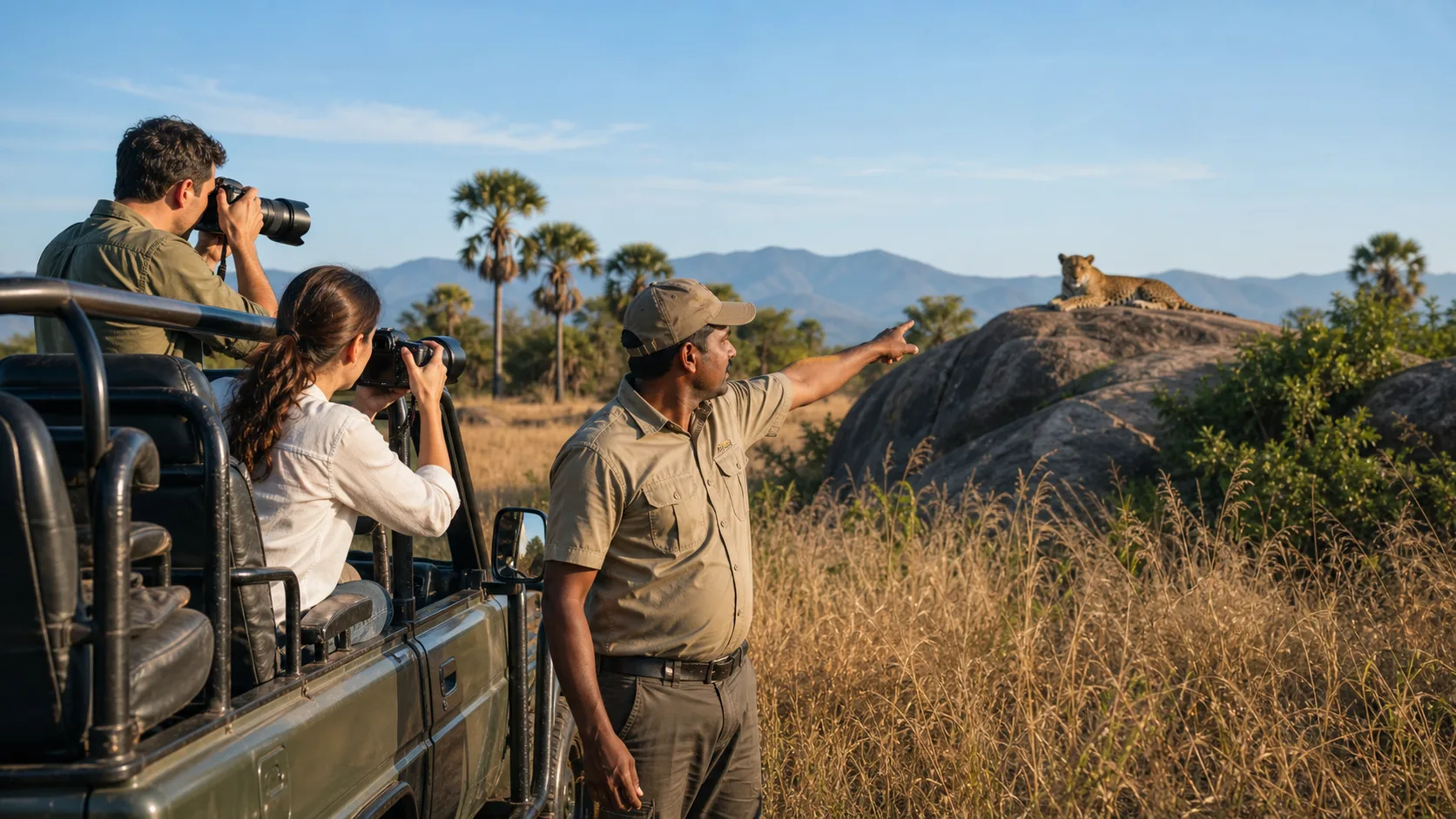
In the middle of winter back home, many of us start dreaming of sunshine and open skies. That’s why July holidays often turn into warm-weather escapes. But if lying on a beach isn’t your thing, Sri Lanka wildlife tours give you something far more exciting: safaris, rare animals, and green spaces full of quiet moments. It’s a tropical getaway, but with a wild edge.
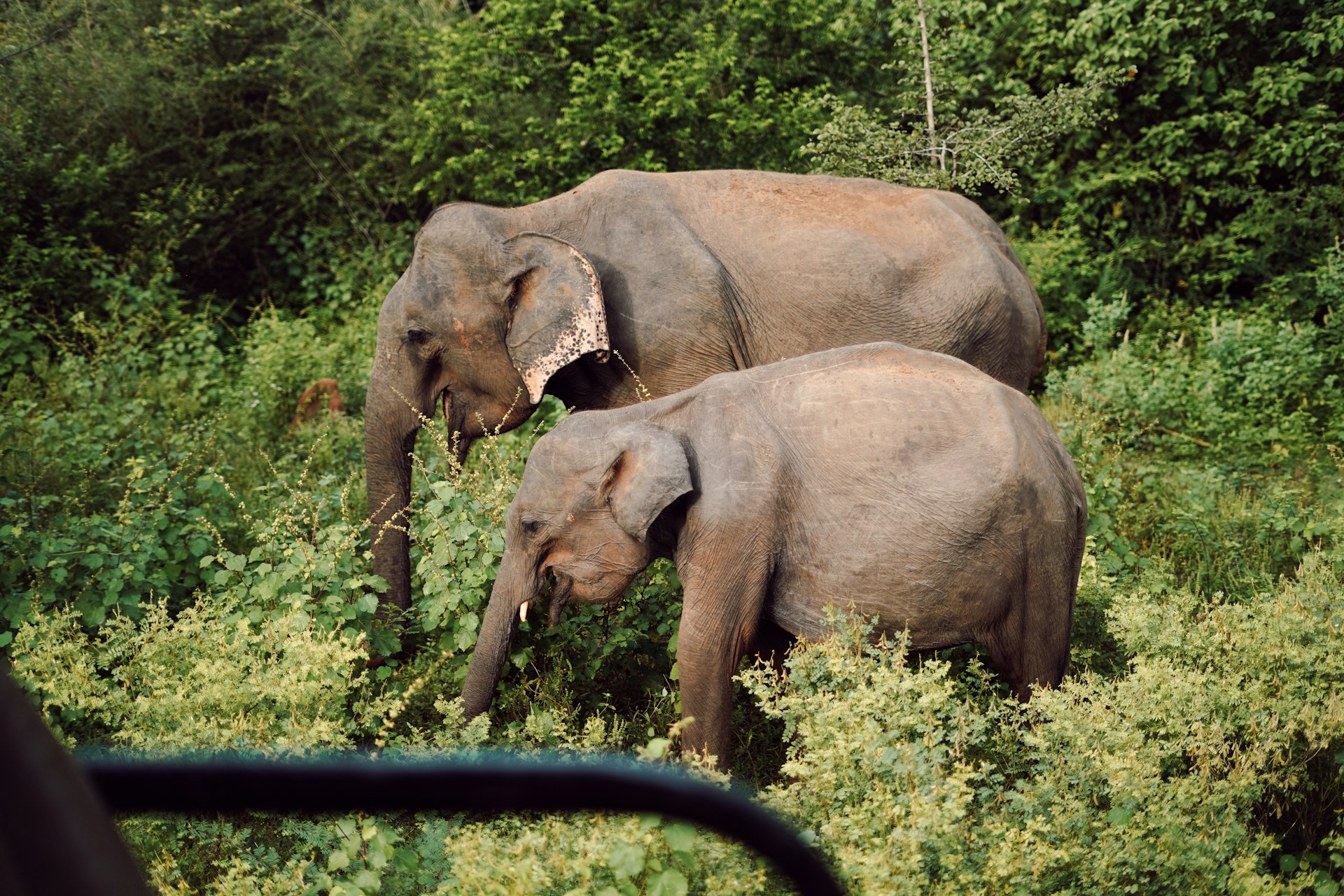
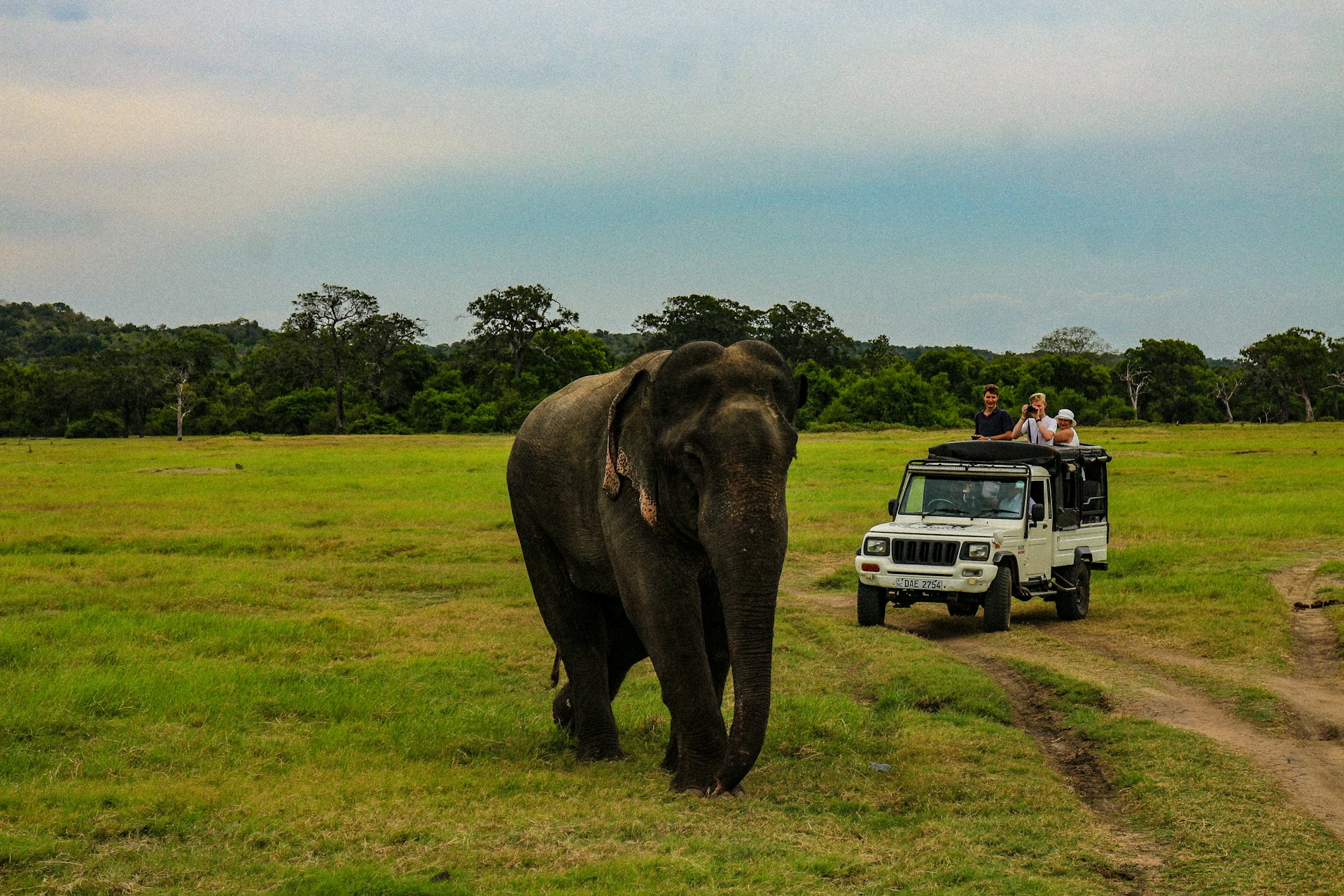
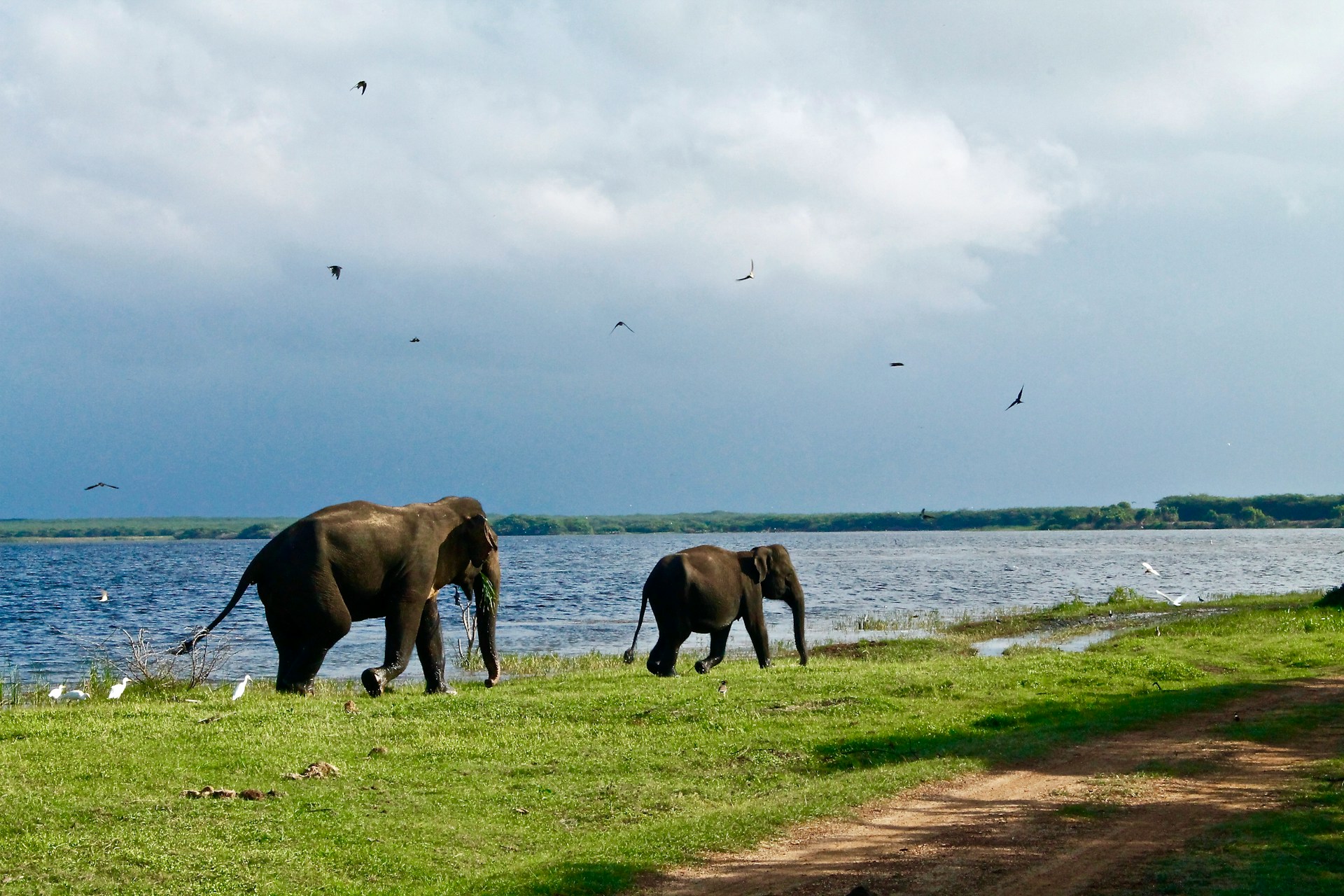
This time of year is perfect for spotting animals in their natural homes. With little rain and cooler temperatures, wildlife is more active and easier to see. Instead of squeezing past crowds or planning around weather delays, you get to enjoy quiet mornings, open plains, and close-up views of some of the world’s most loved animals.
The dry season brings more than clear skies. It draws animals out into the open, making it easier to watch their world without trekking through thick jungle or being stuck behind heavy rain. In July, some of Sri Lanka’s best wildlife reserves shine.
The easier movements in dry weather mean you often get uninterrupted views. Grass stays short, trees are less thick, and animals move around more freely.
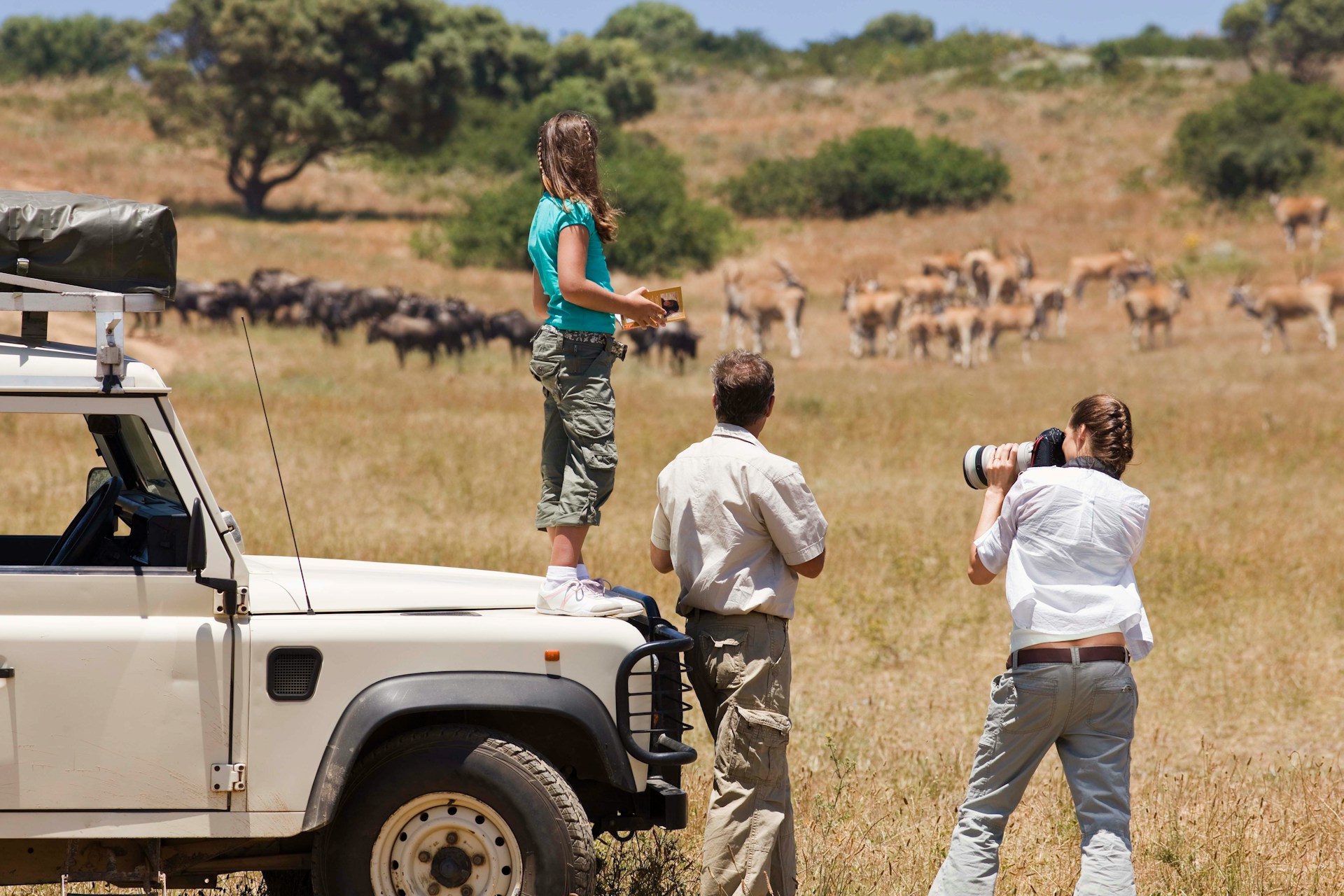
Some people worry that safaris might be too long or same-same for kids. But in Sri Lanka, July brings conditions that suit families who want just the right mix of adventure and ease.
For parents, it’s peace of mind. The settings are safe, and there’s rarely pressure to rush or keep moving if someone needs a break or a snack.
While parks like Yala draw much of the attention, there’s something special about finding the less travelled places where wildlife goes about its routine with few people watching.
These spots feel slower. It’s less about having a checklist and more about taking time to notice what’s around without distraction.
Something we enjoy about July travel is how easily a day’s safari can be paired with something human. Wildlife doesn’t need to fill every single day, and that mix of wild and cultural moments adds depth to the whole trip.
These stops are short, usually under an hour, and leave you feeling like you saw more than just animals. They balance the stillness of the parks with the movement of people nearby.
Even though the country isn’t huge, getting between the best parks and reserves can take longer than it looks. Distances aren’t far, but the roads are slow and winding, especially through rural or hilly areas.
Having someone else work out when to visit which park leaves more room to enjoy what’s in front of you instead of worrying if the drive will make you miss your window.
At Heavenly Lanka Vacations, we organise dry-season tours with local guides, small-group safaris, private drivers, and hotel stays close to the top wildlife parks like Yala, Udawalawe, and Gal Oya. This means you can maximise your chances for close animal encounters and travel at a pace that matches your family or friend group.
When we think of July in Sri Lanka, we think of dry paths, golden afternoons, and that quiet thrill that comes when animals move just metres away. It’s not rushed, it’s not loud, and the best parts often happen between stops, when you least expect them.
Between the wildlife, the peaceful backroads, and glimpses of everyday life in the villages, these trips bring a side of Sri Lanka that feels rich without needing to be dressed up. July opens that window beautifully: dry, slow-moving, and filled with scenes that stay longer in memory than many beach days ever do.
July is the perfect season to experience Sri Lanka’s wildlife, from the celebrated Yala to serene spots near Gal Oya. With dry conditions drawing animals out in abundance, having an expert plan can truly improve your adventure. Take a look at our top options for Sri Lanka wildlife tours to find the experiences that match your style. When you’re ready to create an unforgettable trip, get in touch with Heavenly Lanka and let us help you plan every step.


WhatsApp us