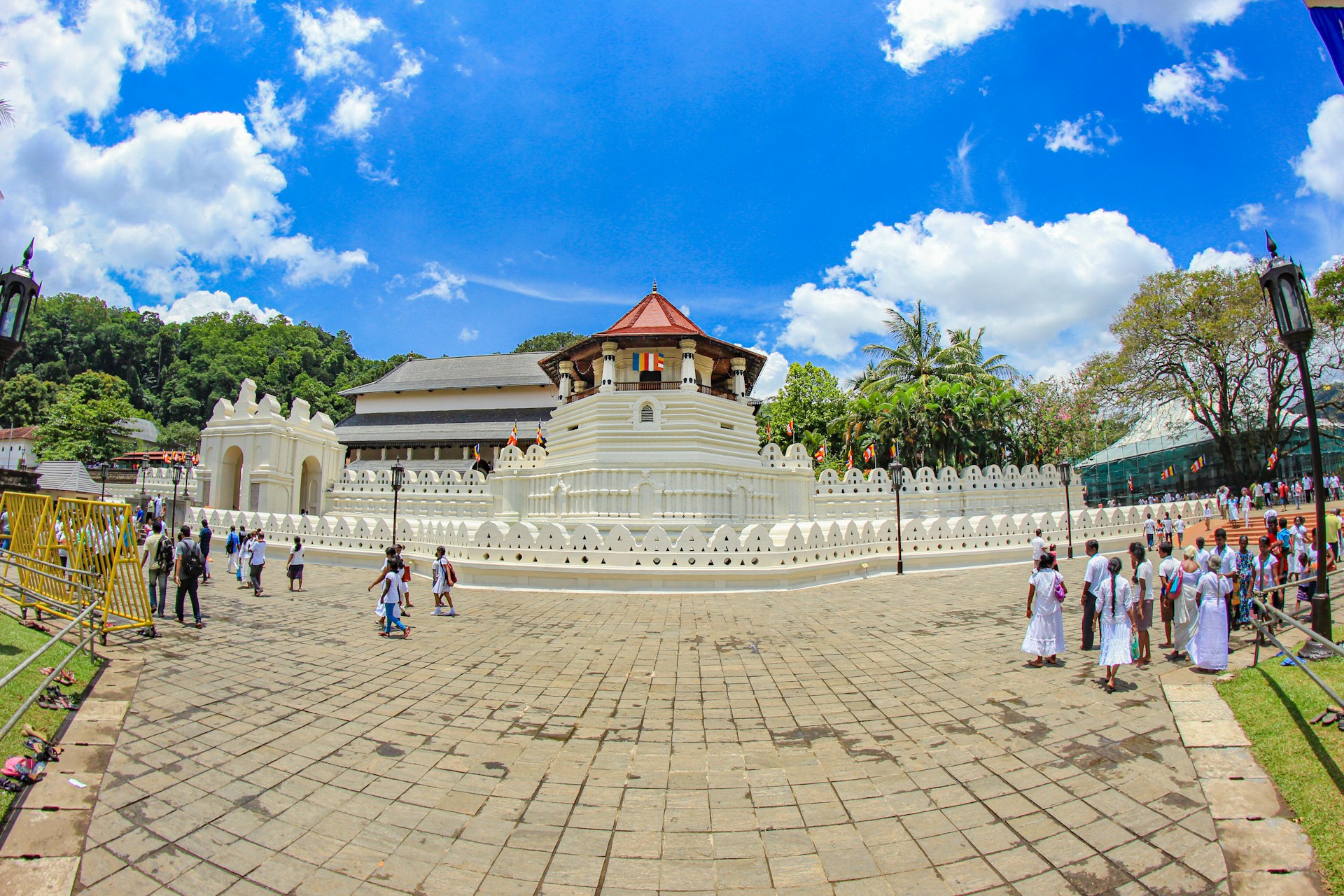
Kandy Esala Perahera is one of those rare festivals that feels almost unreal until you are standing beside the parade route yourself. The night sky glows with torchlight, Kandyan drums echo through the hills, dancers whirl in sequinned costume, and a line of elephants moves slowly along the streets as crowds fall quiet for the passing of the Sacred Tooth Relic casket. It is spiritual, theatrical, and deeply local all at once.
For Australians considering Sri Lanka tours from Australia, the Perahera is often the single experience that transforms a holiday from a standard getaway into a cultural story you will talk about for years. At Heavenly Lanka Vacations, based in Australia, we specialise in building bespoke itineraries that time your visit around this extraordinary festival, then weave in the island’s other highlights. In this guide, we walk through the history, nightly rituals, best times to go, planning tips from Australia, and how to experience the spectacle respectfully and comfortably.
At its heart, Kandy Esala Perahera is a devotional event that honours the Sacred Tooth Relic of the Buddha, housed in the Temple of the Tooth in Kandy. Traditionally, Esala season is when Sri Lankans seek blessings for rain, fertility and prosperity, so the procession is both a religious act and a plea for wellbeing for the whole country. The Perahera turns these prayers into a living, moving ritual that unfolds on the streets.
The festival has its roots in early Esala rituals that pre-date the Kandyan kingdom, when processions were held to invite the blessings of deities for rainfall and good harvests. When the Tooth Relic was brought to Kandy and the city became the last royal capital, the kings gave the Perahera strong royal support. The procession grew grander, with more dancers, drummers and elephants, and the Tooth Relic, or more accurately its reliquary casket, moved to the centre of the event.
An important part of the Perahera’s character is the blending of Buddhist and Hindu traditions. Alongside the main procession for the Tooth Relic, there are Peraheras for four key Devales, shrines dedicated to guardian deities. Their participation reflects how local communities understand protection, prosperity and faith as shared responsibilities between the Buddha and these deities.
Understanding this background helps us approach the festival with respect. When you watch the Perahera during Sri Lanka tours from Australia, you are not simply watching a show; you are stepping briefly into rituals that shape people’s identities, hopes and daily lives. Simple gestures like dressing modestly, standing quietly for the Tooth Relic casket and following local cues signal that you recognise the deeper meaning of what you are seeing.
Kandy Esala Perahera is not just one parade, it is a series of processions that build in scale and intensity over several nights. The first stage, known as Kumbal Perahera, features smaller, less crowded processions. These evenings are perfect if you prefer more space and a gentler introduction to the festival. The later Randoli Perahera nights are larger and more elaborate, with the final evenings usually considered the most spectacular.
At the centre is the Maligawa Perahera, the segment of the parade associated with the Temple of the Tooth. A richly decorated tusker carries a beautifully crafted casket that represents the Sacred Tooth Relic. Around it swirl traditional Kandyan dancers, whip crackers who announce the approach of each section, rhythmic drummers, flag bearers and torch carriers who light the way. Fire performers spin and throw flaming torches, adding drama to the night.
The full parade usually runs for several hours after dark. It is wise to arrive well before the scheduled start, since many streets close early and crowds build long in advance. Where you sit or stand shapes your experience: central areas tend to be the most atmospheric but also the busiest, while side streets can feel more relaxed.
For many Australian travellers, the sensory experience is what stays in the mind. You might notice the layered sound of different drum rhythms overlapping, the smell of oil torches and incense, the slight coolness in the air compared with the daytime heat, and the way the crowd energy shifts from excited chatter to deep stillness as the casket-elephant approaches.
Kandy Esala Perahera is held during the lunar month of Esala, usually falling around July or August. Exact dates change each year because they follow the Buddhist lunar calendar, so this is one of the first details we confirm when planning Sri Lanka tours from Australia that include the festival. Booking flights and accommodation early is essential because demand for Kandy is high during this period.
There are benefits to both early and peak nights. Kumbal Perahera evenings are generally less crowded, so they can be appealing for families with young children or travellers who are sensitive to dense crowds. Randoli nights, especially the final ones, showcase the festival at its grandest, with more performers, elephants and a more intense atmosphere.
From Australia, a common approach is to fly into Colombo, spend a night there if needed, then head straight to Kandy in time for one or more Perahera nights. After Kandy, it is easy to pair the city with:
At Heavenly Lanka Vacations, we design itineraries that fit the Perahera into your wider holiday plan, and we also help secure grandstand seats, local guides and Kandy accommodation, all of which tend to sell out well ahead of time.
Comfort and respect go a long way toward a positive Perahera experience. Clothing should be modest and practical: covered shoulders and knees, breathable fabrics for the daytime heat and a light layer for cooler evenings. Comfortable shoes or sandals that you can walk in easily are important, as you may need to walk around road closures and stand or sit for long periods.
There are two main ways to watch:
Grandstand seats suit many families, older travellers and anyone who prefers a guaranteed view, while street spots can feel more local but require arriving earlier and sitting at ground level. If mobility is a concern, we plan seating and hotel locations carefully so the walk to and from the route is as short and straightforward as possible.
Respectful behaviour is vital. Alcohol is not appropriate near the procession or the Temple of the Tooth precinct, and it is important to avoid turning your back to the Sacred Tooth Relic casket while very close. Photography is generally allowed, but we suggest avoiding flash aimed at elephants or performers, and being careful not to block locals who have waited hours for their view.
Crowds can be dense, so simple steps help:
These small habits help keep the focus on the festival, not on practical worries.
While the Perahera might be the highlight of your time in Kandy, the city has plenty more to offer once the drums fall silent for the night. Many visitors choose to visit the Temple of the Tooth during the day to see the inner courtyards, shrines and museum areas that are harder to appreciate during the evening rush. A walk around Kandy Lake, a browse through local markets or an evening cultural performance of traditional dance can round out your understanding of Kandyan heritage.
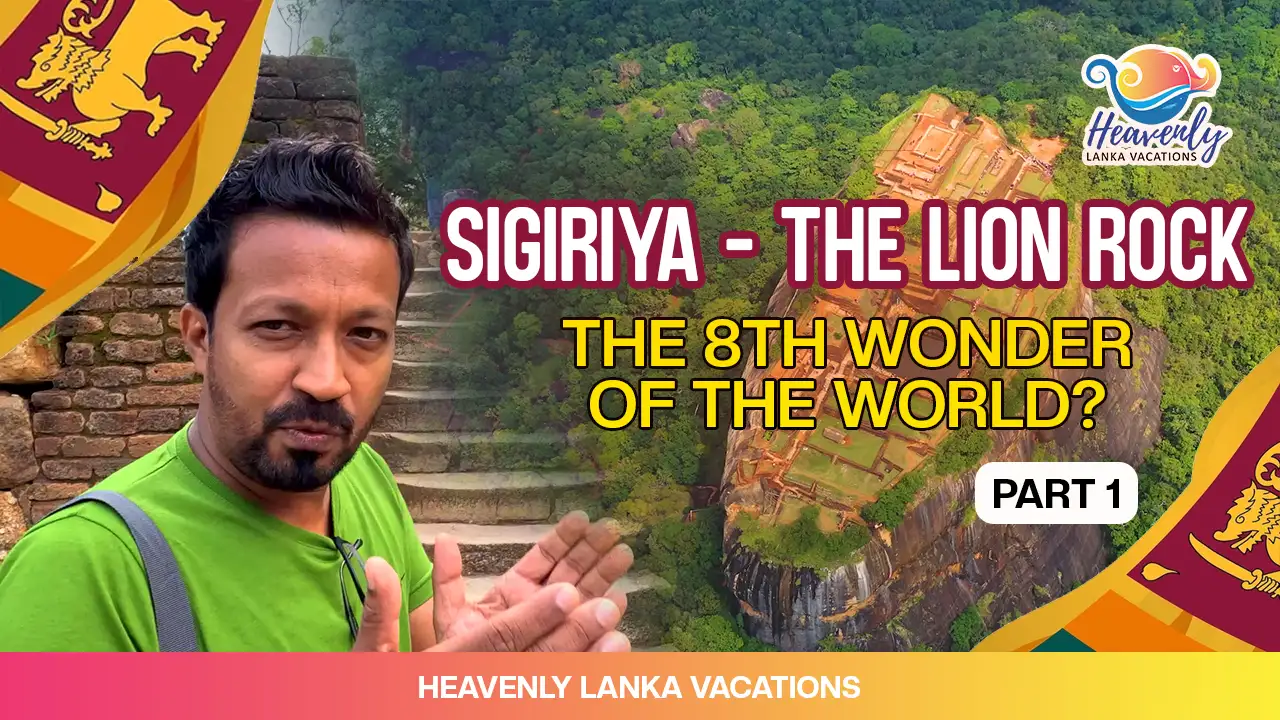
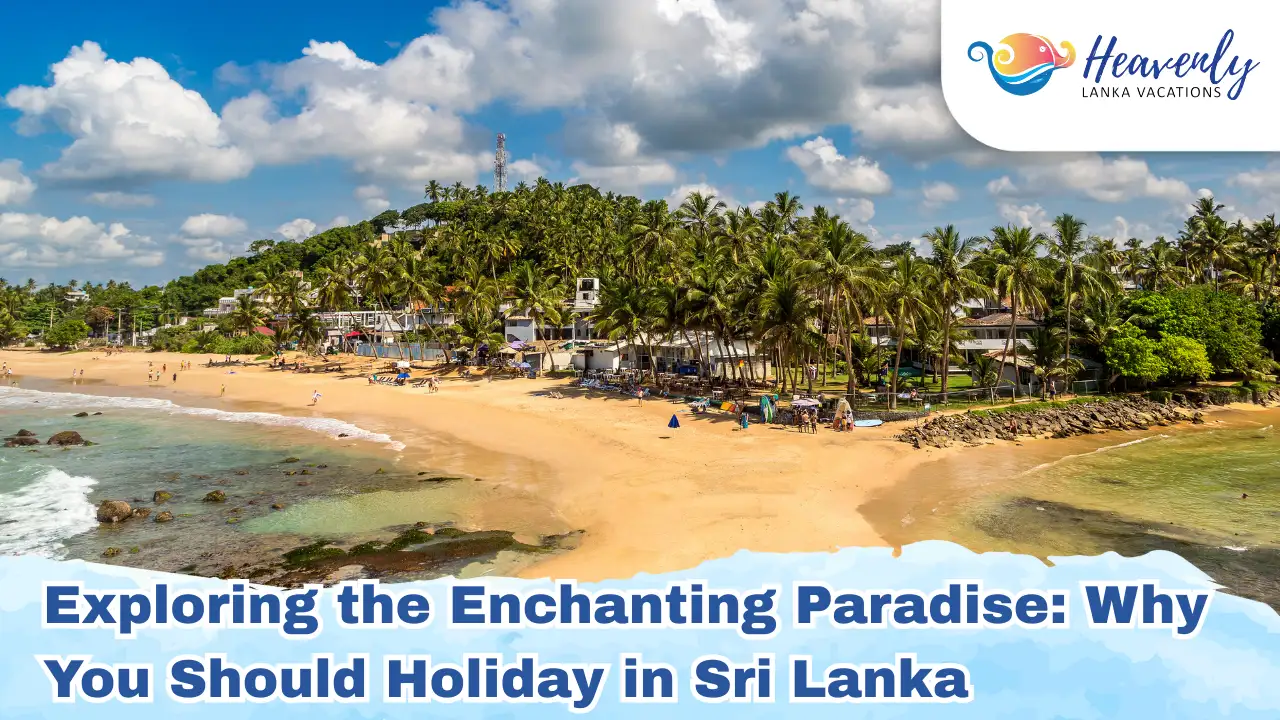
From Kandy, the wider hill country opens up. The train journey through tea country to towns like Nuwara Eliya or Ella is one of the most scenic experiences on many Sri Lanka tours from Australia. In the other direction, the Cultural Triangle with its rock fortress at Sigiriya and cave temples at Dambulla is close enough for a side trip. Many travellers like to finish with a few slow days on the coast, letting the festival memories settle while they relax by the sea.
Travelling with a knowledgeable guide brings context to what you have seen at the Perahera. Stories about Kandyan kings, religious customs, village life and even everyday details like festival food traditions all deepen the meaning of the nighttime spectacle. That way, Kandy Esala Perahera becomes not just a highlight of your holiday, but the emotional centre of your Sri Lankan story.
Let Heavenly Lanka Vacations take care of the details so you can simply enjoy the journey. Explore our curated Sri Lanka tours from Australia and find an itinerary that suits your travel style and budget. If you would like a tailored itinerary or have questions about dates, inclusions or flights, just contact us and we will help you plan your ideal getaway.


WhatsApp us